DIY or Professional Fence Installation: Why Hiring an Expert Saves You Time and Money
When residential owners consider the decision of installing a fence, they often weigh the pros and cons of DIY versus hiring a professional. Although the appeal of cutting costs with a DIY approach is attractive, the potential pitfalls can lead to increased costs and time. Experts provide skill and precision, which can be essential in handling difficult installation obstacles. This brings up a key consideration: What true value does selecting expert installation provide?
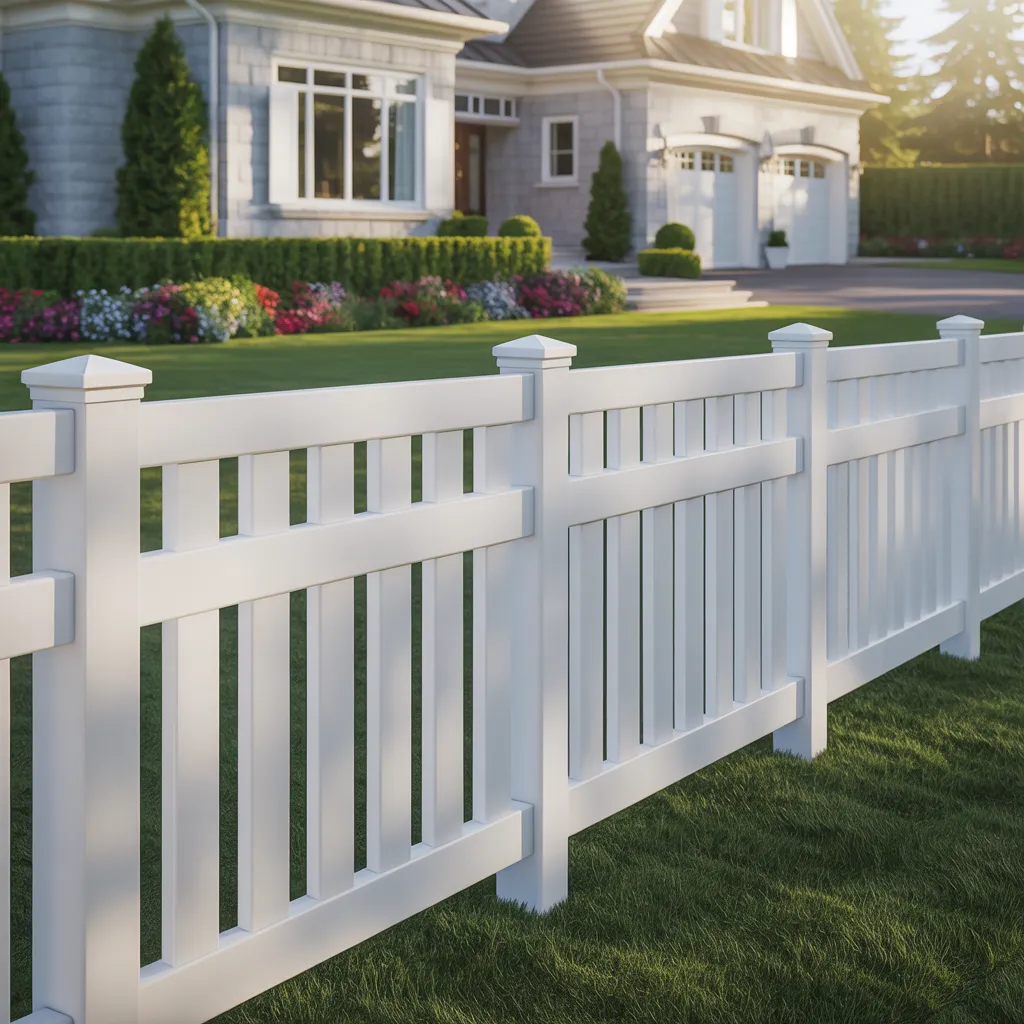
The Benefits of Professional Fence Installation
While some homeowners may consider a DIY approach to fence installation, the advantages of hiring professionals often outweigh the initial cost. Skilled installers provide expertise that ensures the fence is constructed correctly and effectively. They utilize specialized tools and equipment, which lowers the chance of errors and boosts overall quality. Moreover, their expertise allows them to address difficulties such as uneven terrain or local requirements, which can create complications for DIY attempts.
In addition, engaging professional installers often results in reduced completion schedules, freeing homeowners from the challenge of lengthy projects. Professional installers also extend work warranties, providing peace of mind regarding structural integrity and upkeep. These warranties help reduce worries regarding ongoing complications that could develop from faulty installation. Ultimately, the benefits of professional fence installation include expert workmanship, time efficiency, and long-lasting durability, making it a wise decision for numerous homeowners.
What Does Professional Installation Cost?
The expense of professional fence installation may vary considerably depending on a number of factors, such as materials, labor, and site conditions. Being aware of these influences is essential for homeowners who are considering this option. Moreover, assessing the long-term value can help determine whether the investment is consistent with future needs and property enhancement.
Key Factors That Influence Installation Cost
Several considerations impact the overall cost of professional fence installation, highlighting the need for homeowners to be aware of what factors into these charges. The type of fencing materials used—such as vinyl, wood, or metal—has a substantial effect on the budget. Furthermore, the size and scope of the fence play a vital role; larger projects naturally incur higher costs. Labor expenses also vary based on the intricacy of the job and regional labor costs. Property conditions, such as terrain and accessibility, can drive up expenses, as extra preparation or equipment might be needed. Lastly, any required permits or inspections must be factored in, contributing to the overall cost. Being aware of these factors empowers homeowners to approach their fencing projects with confidence.
Long-Term Value Factors
Comprehending the expenses connected to professional fence installation goes beyond the upfront expenses. While the initial fees may seem higher compared to DIY options, the long-term value typically supports the investment. Professionals offer expertise that secures proper installation, which can minimize the need for costly repairs and maintenance as time goes on. Additionally, a well-installed fence can boost property value and curb appeal, potentially yielding a return on investment when selling a home. The longevity of professionally installed materials typically outperforms DIY alternatives, limiting future replacement costs. Ultimately, hiring an expert can lead to considerable financial benefits and peace of mind, making the upfront investment worthwhile in the context of lasting advantages.
Frequent Difficulties of DIY Fence Projects
Embarking on a DIY fence project can readily expose a host of unforeseen challenges. Residents often fail to appreciate the difficulty of thorough preparation, including lot line surveys and securing required permits. Without a precise survey, they risk encroaching on neighboring property or breaching local ordinances.
Moreover, selecting the right materials and equipment can be overwhelming. Insufficient experience may lead to purchasing unsuitable resources or misjudging quantities, causing delays and increased costs. Appropriate installation methods are crucial; improper alignment or insufficient post depth can weaken the fence's longevity and performance.
Moreover, most DIY homeowners underestimate the impact of weather-related delays, which can halt the project. Strenuous physical tasks, such as trenching post holes or transporting bulky components, can also challenge even the most committed DIY practitioners. These hurdles illustrate the intricacies associated with DIY fence installations, prompting many to reconsider the value of professional expertise.
How Professionals Save You Time
When considering fence installation, expert contractors deliver substantial time advantages when measured against DIY attempts. Their experience with organizing and completing projects secures speedier results and prevents delays. Such effectiveness empowers homeowners to enjoy their new fence without the lengthy waiting period typically attributed important guide to self-installation.
Speedier Project Finalization
Bringing in professional installers accelerates the fence construction process considerably. Experts bring specialized tools and experience, permitting them to wrap up projects more efficiently than most DIY attempts. Although a homeowner may require days or even weeks to complete the project, professionals often finish in a matter of hours or days, depending on the project size. Their familiarity with various materials and techniques enables them to overcome challenges efficiently, reducing setbacks. Furthermore, professional crews generally operate in a coordinated manner, distributing duties to boost overall productivity. This not only accelerates the installation but also decreases the chance of mistakes that could extend the timeline. At the end of the day, working with professionals assures prompt completion, allowing homeowners to enjoy their new fence sooner.
Skilled Planning and Execution
Though many homeowners fail to recognize the value of comprehensive planning, experienced fence contractors understand that careful preparation is essential to a successful fencing project. Seasoned installers initiate the process with a comprehensive analysis of the location, taking into account elements such as landscape, ground conditions, and municipal guidelines. This thorough strategy confirms that all essential supplies are secured and that the plan reflects the homeowner's goals while remaining in accordance with local codes.
Beyond that, skilled technicians use cutting-edge methods and equipment, streamlining the installation process. Their experience allows them to predict complications and tackle them ahead of time, preventing unnecessary slowdowns. Through strategic planning and effective team coordination, professionals not only save time but also minimize costly mistakes that can arise from a lack of planning. At its core, professional preparation and execution produce a streamlined, highly efficient installation.
How Skilled Experts Deal With Local Regulations
Navigating local regulations can be an intimidating task for homeowners, but professionals excel in this area. Experienced fence installation experts possess extensive awareness of zoning laws, construction standards, and permit requirements tailored to each region. They stay updated on shifts in local codes, securing adherence that non-professionals could neglect.
Furthermore, professionals frequently maintain existing rapport with regional governing bodies, which can streamline the permit approval process. This prior knowledge permits them to handle any possible obstacles seamlessly, decreasing interruptions that can occur from misinterpretations of local rules.
Furthermore, professionals can assist homeowners in selecting the right materials and designs that comply with local regulations, reducing the likelihood of future penalties or required changes. By drawing on their experience, specialists optimize the installation workflow, shielding homeowners from the difficulties and complications of navigating compliance requirements. At the end of the day, working with a specialist not only secures conformity to legal standards but also boosts the overall productivity of the project.
Why Expert Installation Ensures Quality and Longevity
Navigating local regulations is only part of securing a successful fence installation; the quality of workmanship plays a significant role in the fence's longevity. Experienced installers bring a wealth of experience, employing techniques that guarantee proper stability, alignment, and depth of fence posts. Their skill reduces common installation problems, such as leaning or settling, which can undermine a fence's integrity over time.
Moreover, professional technicians use superior products, appreciating the intricacies of various fencing types and how they withstand natural elements. This knowledge works to prevent untimely wear and degradation, extending the durability of the fence.
Additionally, expert fitting often includes suitable sealing and finishing techniques that improve weatherproofing capabilities. When choosing professional services, residents can be certain that their fencing system will not only meet design goals but also endure for years to come, offering reassurance and reducing the need for frequent repairs.
Lasting Benefits of Expert Fence Installation
Opting for professional fencing services provides substantial long-term value that frequently exceeds upfront costs. Expert installers bring specialized skills, ensuring the fence is installed correctly, which minimizes the chances of costly repairs. A well-installed fence can handle environmental pressures, extending its lifespan considerably compared to self-installation projects that may weaken the overall structure.
Moreover, employing a professional commonly increases the worth of the property. A skillfully installed fence not only elevates the appearance but also strengthens curb appeal, rendering the home more appealing to prospective buyers. This is particularly important in real estate environments where curb appeal drives decisions.
Additionally, certified technicians regularly supply warranty coverage, providing reassurance that DIY projects generally cannot offer. Such coverage for defects or damage helps homeowners avoid unexpected costs later on. Ultimately, the lasting value of skilled professional work demonstrates clear value, in monetary terms and in respect to sustaining a home's long-term value.
Common Questions and Answers
Can I Put Up a Fence on My Own if I Have No Experience?
Absolutely, you can set up a fence without prior experience, but doing so may cause problems and costly errors. Proper research, careful planning, and patience are key, though working with a professional can offer a more dependable and effective outcome.
What Tools Do You Need for DIY Fence Installation?
To install a fence, key tools needed are a post hole digger, measuring tape, level, hammer, saw, concrete mix, fence panels, and safety equipment. These items guarantee proper installation and enhance overall efficiency during the process.
What Is the Best Way to Choose the Right Fencing Material?
Identifying the best fence material requires considering durability, maintenance, aesthetics, and budget. Common options include vinyl, wood, metal, and composite. Reviewing each material's strengths and weaknesses helps in making a knowledgeable selection that suits specific needs.
What Upkeep Do Fences Need After Installation?
Fences need routine upkeep, including washing, examining for damage, and adding protective treatments. Wooden fences benefit from sealing and staining, while metal varieties might need rust treatment. Regular maintenance extends lifespan and preserves appearance.
What Steps Can I Take to Keep My Fence Level and Straight?
To guarantee a fence is level and straight, it is recommended to use a long level or string line for guidance. Frequently check alignment throughout the installation process, adjusting posts as necessary to keep the fence consistent from start to finish.